December 2025:
The author:

Michelle Worden , Assistant Director of the Office of Treatment and Recovery Support Services Department of Social Services Division of Behavioral Health.
Courtesy photo.
Navigating the Holidays in Sobriety by Michelle Worden, Assistant Director of the Office of Treatment and Recovery Support Services in the Department of Social Services Division of Behavioral Health
The Holiday Season: Joyful, But Not Always Easy
The holidays are often painted as a time of joy, laughter, and connection. But for those choosing sobriety, they can also bring stress, pressure, and triggers. Whether you’re in recovery or simply staying substance-free, the season can feel overwhelming at times.
Plan Ahead, Protect Your Peace
Planning ahead can make all the difference. Know your triggers, bring your favorite non-alcoholic drinks, and consider going with a friend who supports your goals. Protecting your peace is equally important. It is okay to decline invitations, leave early, or set boundaries that prioritize your wellbeing. Finding or creating sober spaces can help you feel grounded. Look for gatherings where everyone supports your choice or host your own event where fun doesn’t involve alcohol. Practice simple ways to say “no” when offered a drink, like: “I’m focusing on my health this season” or “I’m good with what I’ve got, thanks!”
Stay Connected, Stay Grounded
Connection is your anchor:
- Check in with your counselor, peer supporter, or sponsor.
- Attend meetings or support groups to stay accountable.
- Talk with friends who understand your journey.
- Avoid isolation, reach out before you feel overwhelmed.
Your Mental Health Matters
- Because this time of year can bring stress, loneliness, or grief, it’s important to prioritize your mental health.
- Take breaks when needed.
- Be compassionate towards yourself.
- Reach out for help. It is a sign of strength, not weakness.
Celebrate Your Progress
Staying sober during the holidays isn’t always easy, but it’s worth it. Celebrate how far you’ve come, choose spaces that nurture your wellbeing, and be kind to yourself every step of the way.
Wishing you a safe, healthy, and peaceful holiday season.
November 2025:
The authors:

Cloe Droegmiller, HS Social Worker.
Courtesy photo.

Sierra Olson, HS Social Worker.
Courtesy photo.
The Benefits of Giving Gratitude: Creating a Culture of Appreciation
Small Acts Can Make Big Impacts
At Human Services Center (HSC) gratitude isn’t just a sentiment – it’s a practice. Small, everyday gestures create a ripple of positivity within our hospital.
Here are a few simple ways to show appreciation:
- Offering help
- Holding the door
- Saying thank you
- Smiling and making eye contact
- Leaving a kind note
Why Gratitude Matters
Practicing gratitude can transform both personal and professional lives. It’s more than just being polite; it’s about building resilience and connection.
Expressing thankfulness causes minds to keep an inventory of what we have, even during difficult times. By practicing gratitude, we:
- Improve mood and emotional well-being
- Strengthen relationships
- Bring joy to others
- Build resilience in the face of hardship
- Encourage engagement
- Enhance coping skills
Gratitude in Action: At Work and Home
A culture of gratitude fosters stronger teams and healthier families by:
- Boosting positivity
- Improving communication and teamwork
- Enhancing retention
- Reducing stress and burnout
Gratitude at HSC
HSC is proud of the ways staff and clients embody gratitude every day.
Some favorite practices include:
- “Good News Call of the Week”
- Celebrating “Employee of the Month”
- Sharing “Good Things” at meetings
- Greeting each other warmly
- Listening to our clients
- Engaging in meaningful activities
- Supporting clients with ADLs (activities of daily living)
- Sharing wisdom and respect
As a psychiatric hospital, it is by design that these activities and recognitions are incorporated into our routines.
Appreciate the Good
Giving gratitude means intentionally recognizing and appreciating the good in your life and in others.
Saying thank you, lifting others up, and celebrating kindness can brighten your day and someone else’s.
Let’s keep the gratitude flowing.
July 2025:
About the author: HSC Mental Health Memo Contributor Cassandra Haag, CTRS, Director of Recreational Therapy

Courtesy photo.
National Therapeutic Recreation Week Observed: July 6-12, 2025
What is Therapeutic Recreation?
Therapeutic Recreation, also known as Recreation Therapy, is the process of using meaningful, engaging activities to help people grow, heal, and live fuller lives. It’s more than just playing games or having fun. It’s about helping people discover or rediscover what brings them joy, meaning, and purpose.
At its core, recreation is a basic part of being human. It’s about choosing to do things you take pleasure in, things that energize you, calm you, challenge you, or connect you with others. Recreation Therapists teach people how to use leisure as a tool for wellness. They help people explore who they are, what they enjoy, and why doing meaningful activities is vital for emotional, physical, social, and spiritual well-being.
Professional standards have been defined by the National Council for Therapeutic Recreation Certification (NCTRC) and the American Therapeutic Recreation Association (ATRA). Both the NCTRC and the ARTA describe recreation therapy as a structured, credentialed healthcare profession that uses activity-based interventions to improve a person’s functioning and quality of life. Recreational Therapy subscribes to the maxim that what we do with our time reflects who we are. Therefore, patients participating in Recreational Therapy are coached that they are on a journey of learning to choose healthy, life-giving activities.
Why it Matters
Recreation is a building block of life. It is a way to be expressive and connect to the world. When people are taught that it’s okay and necessary to find joy, to be creative, to move their bodies, to try new things, and to simply play, they’re given tools for lifelong wellness. Teaching this message is at the heart of Recreational Therapy.
How It Helps at HSC
Patients often come to HSC during particularly difficult periods in their lives. Many have had limited or little access to positive, supportive recreational experiences or, because of hardships they have faced, they’ve forgotten how to engage in activities that bring meaning and joy. Recreation Therapy gives them a healthy setting in which to develop habits support their desire of leading a purpose-driven life. “We show them that life can still be fun, fulfilling, and full of purpose, even during healing. We’re not just filling time; we’re helping them rebuild their sense of self.” – Cassandra Haag
The Link to Mental Health
Mental health and meaningful activity go hand-in-hand. When a person connects with something they care about, something that brings them peace, purpose, or connection, it can change how they see themselves and the world around them.
Recreation Therapy helps individuals:
- Regulate emotions
- Reduce anxiety
- Improve social skills
- Boost self-esteem
Celebrate Therapeutic Recreation Week
Therapeutic Recreation Week is a time to honor the roll recreation plays in healing and recovery. Take a moment to reflect:
- What brings you joy?
- When do you feel most connected, calm, or inspired?
- What’s one activity you can do this week to support your own well-being?
“Recreation Therapy is the intentional use of meaningful, self-chosen activities to support healing, growth, and self-discovery. Everyone deserves the chance to reconnect with what brings them joy, restore their sense of purpose, and discover or recreate who they are beyond their challenges, not as a distraction, but as a fundamental part of mental, emotional, and overall wellness.” – Cassandra Haag
June 2025:
About the author: Joyce Becker, MS, OTR-L, Life Skills Coordinator/Psych Rehab Occupational Therapist

Courtesy photo
The Power of Mindfulness: A Core Skill in Psychiatric Rehabilitation at HSC
What Is Mindfulness?
Mindfulness is “paying attention in a particular way: on purpose, in the present moment, and non-judgmentally.” – Jon Kabat-Zinn (2003)
At its heart, mindfulness means being aware of what’s happening right now without trying to change it or judge it. It’s the opposite of going through the motions or living on “autopilot.” You may have experienced mindlessness when driving a familiar route and realizing you remember little of the trip or eating chips while watching a movie without noticing you’d eaten the whole thing. Mindfulness helps us wake up from this automatic mode and tune into our inner and outer experiences with clarity.
Why It Matters
Mindfulness is a core component of Dialectical Behavior Therapy (DBT) and forms the foundation for other essential DBT life skills, including:
- Distress Tolerance
- Emotion Regulation
- Interpersonal Effectiveness
As part of HSC’s Life Skills program, mindfulness is taught to empower individuals in their recovery and support long-term wellness.
How Do We Practice Mindfulness?
Mindfulness can be practiced anytime, anywhere. It involves:
- Observing with your senses – noticing what you see, hear, feel, taste, or smell
- Participating fully – engaging in the moment with purpose and intention
- Doing one thing at a time – known as “one-mindfully”
- Not judging – avoiding comparisons or self-criticism
This can be done during everyday activities like breathing, eating, walking, or even showering.
Benefits of Mindfulness
The list of benefits continues to grow. Some of the most well-documented include:
- Improved focus and concentration
- Greater emotional regulation
- Mood stabilization
- Enhanced well-being
- Sharper memory
- Decreased rumination
- Better task completion
- Increased self-awareness
- Improved compassion for self and others
- Healthier relationships
- Stronger stress management skills
“Mindfulness allows us to become more aware of what we are sensing, to truly know what is going on both inside of ourselves, as well as around us, to listen more carefully, to pay attention without trying to change anything and to be less driven by habits of reaction by being more responsive.” – Joyce Becker
Mindfulness at HSC
At HSC, mindfulness is part of the evidence-based education we offer in our psychiatric rehabilitation program. Through structured life skills classes, our patients learn how to incorporate mindfulness into daily routines helping build skills that promote long-term healing, emotional balance, and meaningful change.
February 2025:
About the authors: This column was written in collaboration with the Human Services Center and the Division of Behavioral Health.
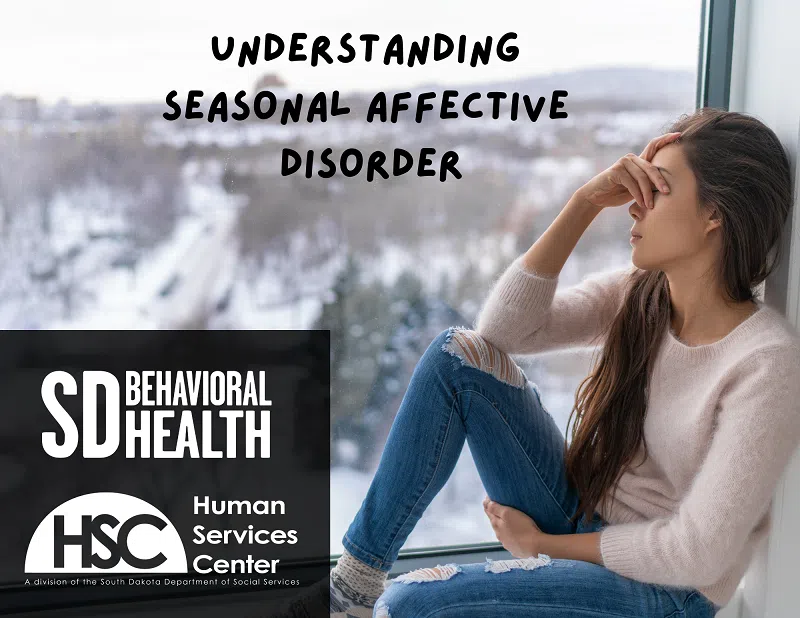
Have you ever felt especially tired, sad, or unmotivated during the winter months? If so, you’re not alone. Many people experience changes in their mood when the seasons change, especially in fall and winter. These changes in mood are often referred to as the “winter blues.” When these changes become more significant and symptoms begin to interfere with your daily life, Seasonal Affective Disorder, or SAD, could be the cause.
SAD is a type of depression that happens at the same time each year, usually when there is less sunlight. Scientific research suggests that shorter days and longer nights affect the brain’s production of serotonin, a chemical that helps regulate mood. Less sunlight can also mess with our body’s internal clock, making us feel tired or out of sync.
Common symptoms of SAD include:
- Feeling sad, irritable, or hopeless;
- Losing interest in activities you usually enjoy;
- Sleeping too much or having trouble waking up;
- Feeling low on energy;
- Craving unhealthy foods, especially carbs like bread and pasta;
- Difficulty concentrating; and
Withdrawing socially from friends and family.
The good news is that there are ways to manage SAD. Spending time outside during daylight hours, even when it’s cold, can help. Go for a short walk or challenge yourself to engage in some winter fun such as ice skating or learning to ski. Better yet, invite a friend to keep that social connection during the winter months. Light therapy, which uses special lamps to mimic natural sunlight, is another option. Exercise, eating a healthy balance of foods, and talking to a doctor or therapist can also make a big difference.
If you or someone you know is struggling, remember that it may not be just the winter blues. SAD is a real condition, and help is available. Understanding SAD can make it easier to recognize and manage, so you can feel better all year round.
If you or someone you know is struggling with mental health, reach out for help. Call, text or chat 988 to talk with locally trained professional at the Helpline Center. It’s free, confidential and available 24/7, 365. You’re never alone in this journey.
Courtesy image.
To read previous editions of the Mental Health Memo visit https://dss.sd.gov/keyresources/news.aspx#mhmemo.
January 2025:
About the authors: This column was written by professionals at the Human Services Center in Yankton.
New Year’s resolutions are something that many people make, and seemingly almost as many fall short of holding to them over the entire year. Instead of focusing on traditional resolutions like losing weight or achieving career milestones, prioritizing our mental well-being can lead to more meaningful and long-lasting changes. We suggest you use this time of “resolutions” to lay a foundation for future success and happiness instead of the “one-and-done” attempts that often leave us feeling frustrated and defeated. Here are some helpful tips to get you moving in the right direction. Think one foot in front of the next. Remember, it’s a continuous and ever-evolving practice! No failures, just learning and growing!
Self-care: Self-care goes a long way in maintaining mental health. It is something that is needed daily. Prioritizing sleep is a must; make sure you are getting an adequate amount of sleep every night. This will help the mind relax and be fully charged to take on the day! Exercising is another important activity that will help with self-care, even if it is walking for 20 minutes a day to get the muscles moving. Social connections and talking to friends and family to check in with one another does better than you think! Setting healthy boundaries is another thing we often overlook. This might mean saying no to activities or people that drain you of your joy and energy. Setting these limits can prevent burnout and protect your emotional well-being.
Practice Mindfulness: Even if it is for five minutes a day of meditation or relaxation of the mind, it is proven to help reduce anxiety, achieve/maintain an inner calm in our lives, and increase our self-awareness. Listening to music, sitting in the dark with your eyes closed, taking deep breaths in and out, and praying are some examples of things you could do to create a low-stimulus and mindful atmosphere. Practicing gratitude daily is a surefire way to keep your mind in a positive space and can help keep you grounded.
Get off technology: Stop scrolling and take a break from social media. Use other outlets and resources to pass the time. Engage in other activities, such as walking, socializing, yoga, or getting outside for some fresh air. Finding a healthy hobby or two can provide great accomplishment and fulfillment while providing a healthy escape from our daily stressors!
Get help when it is needed: Everyone experiences times in their life when it feels nothing is helping them. Everything is going wrong. Contact your loved ones, friends, and mental health professionals to help you through those tough times. Don’t try to take it on alone; there are plenty of people out there who are willing to help you! Please do not be afraid to reach out for help, YOU MATTER!
Call, text, or chat with a professional counselor for free by dialing 988 or visiting helplinecenter.org/988.
To read previous editions of the Mental Health Memo visit https://dss.sd.gov/keyresources/news.aspx#mhmemo


Comments