May 7, 2026:
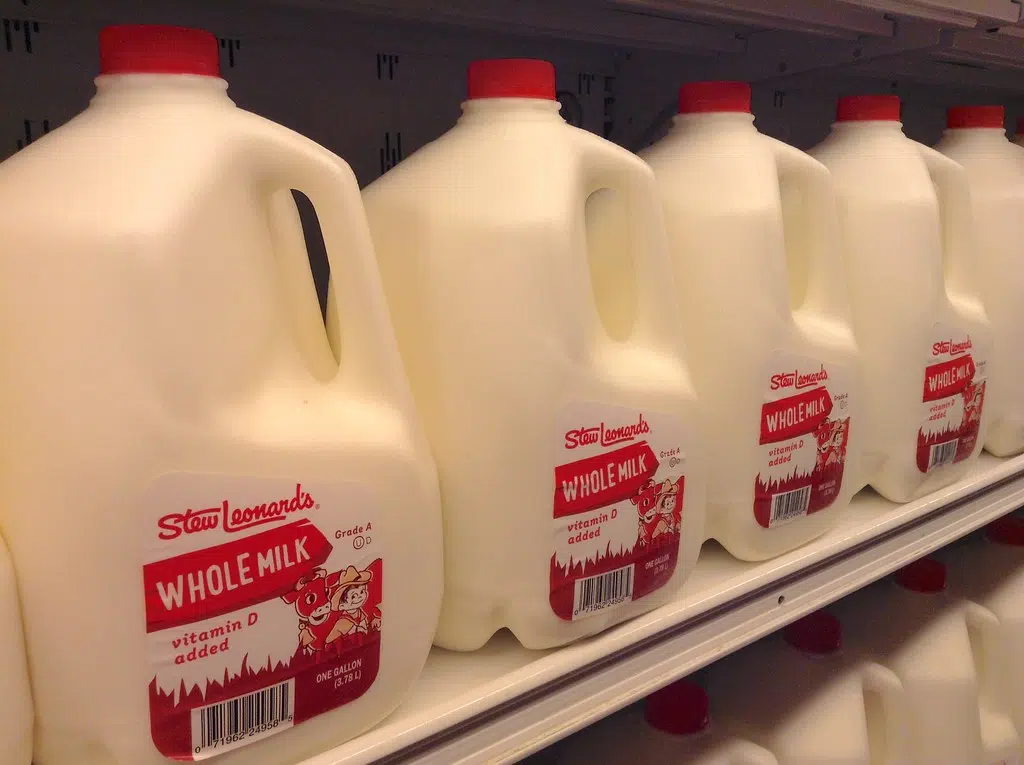
The U.S. Department of Agriculture issued an interim final rule Thursday (May 7, 2026) implementing the Whole Milk for Healthy Kids Act, restoring flexibility for schools and child nutrition providers participating in federal Child Nutrition Programs to offer whole and reduced-fat (2%) milk options to children and adults ages 2 and older. Michael Dykes, D.V.M., president and CEO of the International Dairy Foods Association, released the following statement:
“USDA’s interim final rule implementing the Whole Milk for Healthy Kids Act is a major victory for children’s nutrition and for common-sense school meal policy. IDFA applauds USDA for moving quickly to put the law into effect and provide school nutrition directors and school milk processors the certainty they need to offer students the nutritious milk options that best meet their nutrition needs. For too long, federal regulations limited schools’ ability to offer the milk options students prefer and are more likely to drink. This rule restores flexibility for schools while aligning federal nutrition policy with the Dietary Guidelines for Americans, which recognize dairy foods across all fat levels as part of healthy dietary patterns. Importantly, the rule allows schools to offer flavored and unflavored milk options across all fat levels, helping schools better meet student preferences while improving access to the 13 essential nutrients milk provides in every serving. IDFA thanks the bipartisan champions in Congress who worked to pass the Whole Milk for Healthy Kids Act and appreciates USDA’s swift implementation of this important law.”
Jan. 15, 2026:
President Donald J. Trump signed the Whole Milk for Healthy Kids Act in the Oval Office Wednesday (Jan. 14, 2026) alongside U.S. Secretary of Agriculture Brooke L. Rollins, U.S. Health and Human Services Secretary Robert F. Kennedy Jr., USDA National Nutrition Advisor Dr. Ben Carson, dairy farmers, moms, and bipartisan members of Congress to restore access to whole milk in schools and strengthen support for American dairy producers.
This legislation advances the Trump Administration’s agenda and aligns with the Dietary Guidelines for Americans, 2025–2030, released last week, which reintroduced full-fat dairy as part of a healthy dietary pattern.
“Thanks to President Trump’s leadership, whole milk is back – and it’s the right move for kids, for parents, and for America’s dairy farmers,” said Secretary Brooke Rollins. “This bipartisan solution to school meals alongside the newly released Dietary Guidelines for Americans reinforces what families already know: nutrient dense foods like whole milk are an important part of a healthy diet.”
Secretary Rollins was joined by dairy farmers Thomas French, Kevin Satterwhite, Jamie Pagel, William Thiele, and Tara Vander Dussen, and emphasized that restoring whole milk in schools supports both children’s nutrition and the producers who sustain rural jobs and communities. She also highlighted the Trump Administration’s broader work to rebuild the farm economy through fair trade, lower costs, reliable financing, and strong markets, all while working to make groceries more affordable for families. As a result, between January and December of last year, dairy products became more affordable, including butter (down 3.4%) and cheese (down about 2%).
The law reflects strong bipartisan leadership, including sponsors Senator Roger Marshall (R-KS), Senator Peter Welch (D-VE), Chairman of the U.S House Agriculture Committee Representative Glenn Thompson (R-PA-15) and Representative Kim Schrier (D-WA), with support from Chairman of the U.S Senate Agriculture Committee Senator John Boozman (R-AR).
USDA implementation begins immediately. Following the announcement USDA issued program implementation guidance to school nutrition officials to implement the bill, and a proposed rulemaking will soon commence to ensure schools and nutrition programs can begin offering whole milk as quickly as possible.
USDA will now undergo a rewrite of Child Nutrition Programs to ensure school meals are aligned with the Dietary Guidelines for Americans 2025-2030.


Comments